Prison Legacy Map and Zones Guide
Learn which wings stay safer under guard favour — and which corridors turn every encounter into a real risk.
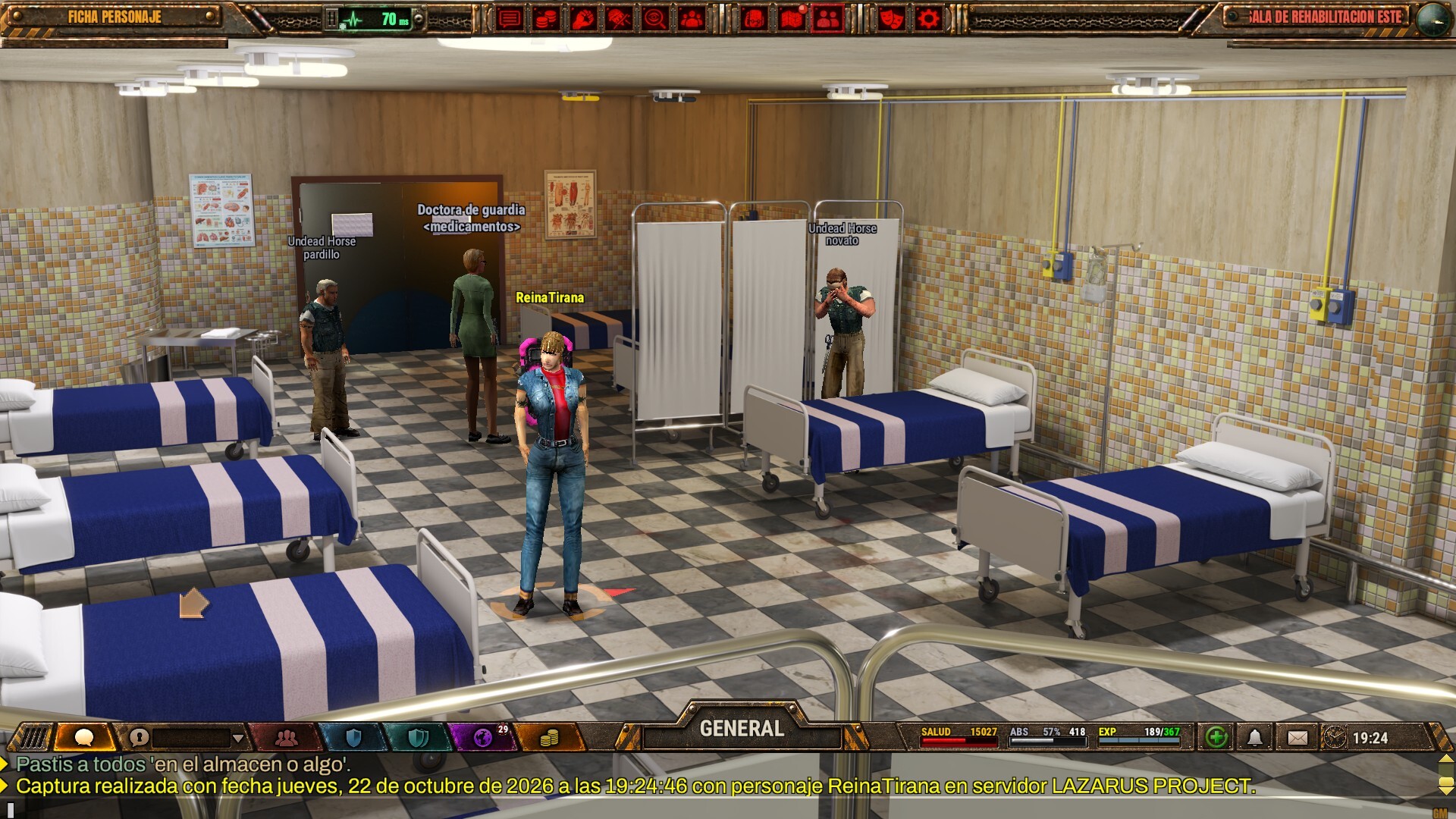
The prison in Prison Legacy is not a single corridor with a quest marker. It is a living maximum-security complex of cell blocks, yards, kitchens, workshops, an infirmary, lockers, and contested spaces where optional PvP carries real consequences. This map and zones guide explains how those spaces fit together, how guard favour versus contested risk works, and how to explore without dying on loop after the 20 November 2026 Steam launch.
Use this page beside Getting Started, the Combat Guide, and Crafting and Economy. When you need people for a contested push, read Clans and Alliances and shortlist crimes on the Players Hub or tier list.
How the prison is organised
Official store and press materials describe life across cell blocks, kitchens, yards, and infirmaries, with hundreds of player and NPC inmates scheming, trading, and brawling for status. The client includes a minimap (celebrated in open-beta feedback) so you can navigate rooms without getting lost while chat scrolls. Treat the map as a risk diagram, not a tourist brochure:
- Housing and storage — cells and lockers where you recover, stash wealth, and reset after a bad fight.
- Social and service floors — kitchens, workshops, and trade-heavy rooms where crafts and deals happen.
- Open circulation — yards and corridors where visibility is high and ambushes are easier to stage.
- Care and recovery — the infirmary and nearby support spaces when medicine and downtime matter.
- Risk layers — safer pockets under guard favour versus contested areas where every encounter can hurt.
You decide when to leave guard protection and enter dangerous areas. Competitive and cooperative playstyles coexist because that choice is yours, not forced on every tile.
Cell blocks and lockers
Cell blocks are your home base. Early hours should orbit a cell you recognise, a locker habit you never skip, and a short walk to the nearest friendly NPC or craft station. Keep valuables in the cell locker so a pickpocket, a failed steal, or a contested wipe does not erase a session of progress. After losses, you wake back in your cell — that is a feature of the risk loop, not a bug — so knowing the route from cell to safer trade rooms saves time and ego.
New inmates: mark mental waypoints from your cell to the kitchen, a workshop, and a quiet chat corner before you chase deeper zones. Pair this with the day-one checklist in Getting Started.
Yards and open sightlines
Yards are where reputations are made and broken. High visibility helps clans form groups and watch for hunters, but it also means your kit and crime identity are on display. Optional PvP pressure rises when you leave safer loops for yard drama. Before you cross into a contested stretch:
- Size levels and gear — see Combat for action-point reads and flee discipline.
- Check zone chat for pack names already hunting your wing.
- Stash surplus in the locker; walk with what you can afford to lose.
- Prefer a clanmate for first contested runs (Clans caps groups at sixteen).
Dog tags from player wins are trophies, not a reason to walk the yard broke and alone.
Kitchens and workshops
Kitchens and workshop spaces feed the player-driven economy. Cooking, chemistry, sewing, mechanics, jewelry, and repair all need places to work and people to trade with. These rooms are often denser with NPCs, buyers, and thieves — perfect for early missions and craft queues, dangerous if you flash rare mats in contested adjacency.
Learn one craft early so you are not fully dependent on scalpers, then deepen professions using Crafting and Economy. Thief-leaning crimes may treat kitchens and workshops as opportunity maps; Mercenary and other frontliners may treat them as supply stops before yard pushes. Match the room to your crime class fantasy without ignoring the risk layer under your feet.
Infirmary and recovery loops
The infirmary is the practical answer to bad nights: medicine, downtime, and a reminder that survival beats pride. Stock consumables before contested runs, not after you are already bleeding reputation. If you main support-leaning kits such as Corrupt Politician, infirmary-adjacent social loops can be as valuable as raw DPS rooms — contacts and favours travel farther than a single stun.
Guard favour versus contested PvP
Guard favour marks safer progression: trade, talk, craft, and learn systems with less ambush pressure. Contested spaces drop that protection. Crossing the line is intentional. New characters should farm understanding in safer loops first, then expand outward with a plan. Veterans still use guard-favour rooms as logistics hubs between story and clan objectives.
There is no requirement to live in contested PvP. The design lets quieter inmates progress while hunters opt into higher-risk corridors. When you do push out, bring the combat habits from the Combat Guide — flee is a skill — and the social cover of a clan.
How to explore without dying
Open beta (9 October–2 November 2026) logged 2,082 characters, 46,544 hours, 64,263 missions, and 295,045 crafts across test prisons, plus millions of door crossings and tens of thousands of kilometres walked. Live servers wiped that progress, but the lesson remains: the map is huge relative to a new inmate’s kit. Explore in layers:
- Layer 1: cell → locker → nearest kitchen/workshop under guard favour.
- Layer 2: yard edges with flee ready and chat watched.
- Layer 3: contested rooms with a partner, stash empty of irreplaceables.
- Layer 4: clan-sized pushes for content no solo hero should take.
Use the diary to track discovered areas and last visits so you remember which wings you have actually cleared — full habits in the Diary guide. After each patch on the Updates Hub, re-check whether risk borders or economy rooms shifted before you treat beta-era shortcuts as gospel.
Class and route synergy
Your crime changes which rooms feel natural. Thief and Con Artist lean lock and pocket routes through service floors. Narco and chemistry players orbit brew-friendly workshops. Mercenary, Mobster, Gangster, and Hitman treat yards as classrooms. Serial Killer and Cannibal still need supply loops even when they hunt. Read the tier list for launch-week priorities, then draw a personal route map that matches how you enjoy evenings — fighting, trading, or politicking.
Practical checklist
- Keep the minimap readable while always-on chat stays visible.
- Never tour contested zones with a full locker worth of goods on your person.
- Learn flee and medicine binds before your first real risk room (Controls).
- Add confirmed hunters to your contact book so names mean something when they enter your wing.
- Revisit this guide after launch follow-ups if developers expand wings or retune favour borders.
Master the map by treating every door as a risk question. The inmates who last are the ones who know which side of guard favour they are standing on before they click commit.
Frequently Asked Questions
Quick answers for new and returning inmates.
Is PvP forced on the whole Prison Legacy map?
No. Safer areas under guard favour let you progress with less ambush pressure; contested zones are optional risk you choose to enter.
Where should new players explore first?
Stay near your cell, locker, kitchen, and workshop loops under guard favour. Read Getting Started before contested yard pushes.
What are cell lockers for?
Stashing valuables so theft, failed fights, or contested wipes do not erase a session. Walk contested rooms with only what you can afford to lose.
Do kitchens and workshops matter if I only want to fight?
Yes. Crafts and trades supply food, medicine, armour, and weapons — see Crafting and Economy even as a combat main.
How do I track which areas I have discovered?
Use the in-game diary for discovered areas and visit history — details in the Diary guide.